
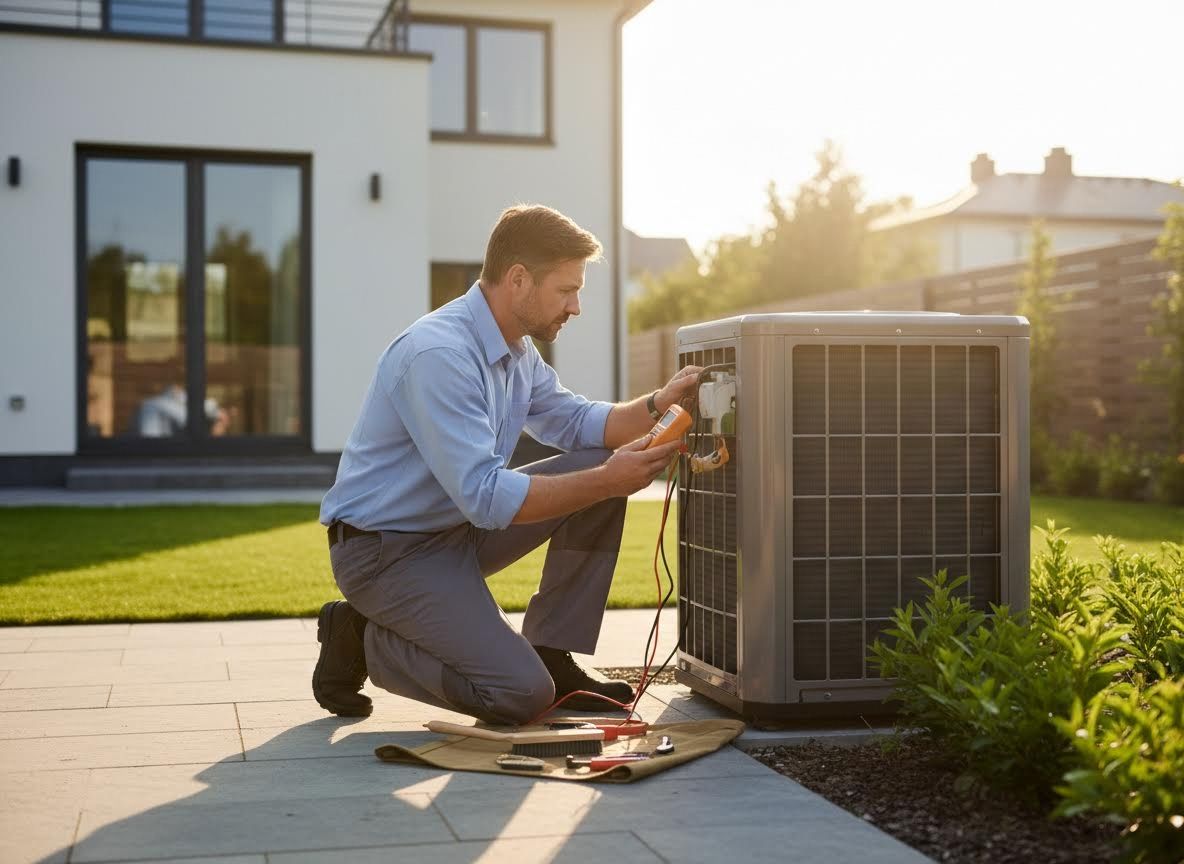
Maintaining a comfortable home often relies heavily on a well-functioning air conditioning system, especially during warmer months. Encountering a sudden AC issue can be frustrating, but many common problems can be identified and even addressed with some basic troubleshooting before calling a professional. At JMD Corp (Jackson Heating & Air), we understand the importance of a reliable cooling system for your home comfort. This guide will walk you through some typical AC troubles and simple steps you can take to diagnose them.
Your AC Won't Turn On or Isn't Responding
One of the most common and perplexing issues is when your air conditioning unit simply refuses to start. Before assuming a major breakdown, check a few fundamental things. First, ensure your thermostat is set to "cool" and the desired temperature is lower than the current room temperature. A common oversight is that the thermostat might be set incorrectly or even have dead batteries. Next, head to your home’s electrical panel. A tripped circuit breaker can cut power to your AC unit; simply flip it back on. If it trips again immediately, this indicates a deeper electrical problem that requires professional attention.
Weak Airflow or Inadequate Cooling
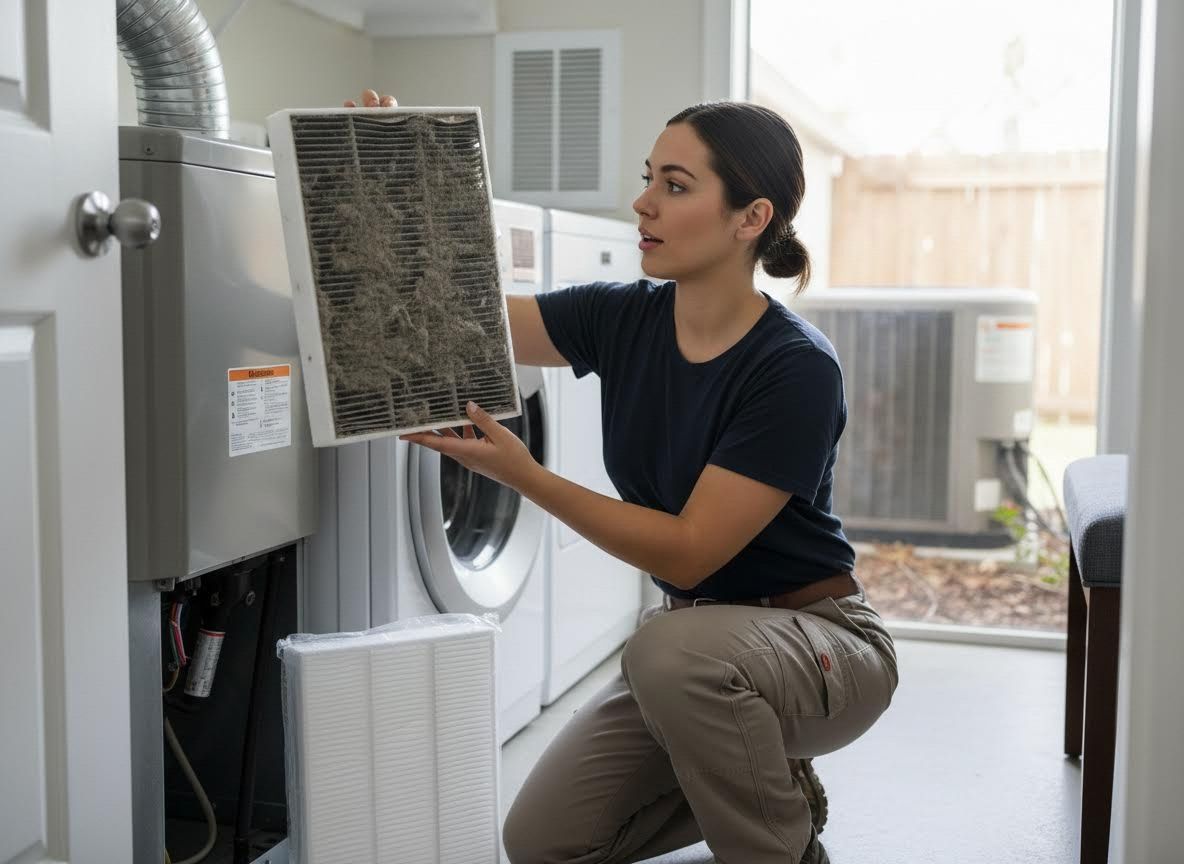
If your AC is running but the house isn't getting cool, or you notice weak airflow from the vents, several factors could be at play. Start by checking your air filter. A clogged filter restricts airflow, making your system work harder and less efficiently. Replace disposable filters monthly or clean reusable ones regularly. Next, ensure all supply vents inside your home are open and not blocked by furniture or curtains. Outside, inspect the condenser unit (the large outdoor unit) to make sure it's not obstructed by debris, leaves, or overgrown plants, which can hinder proper heat dissipation.
Unusual Noises or Smells From Your System
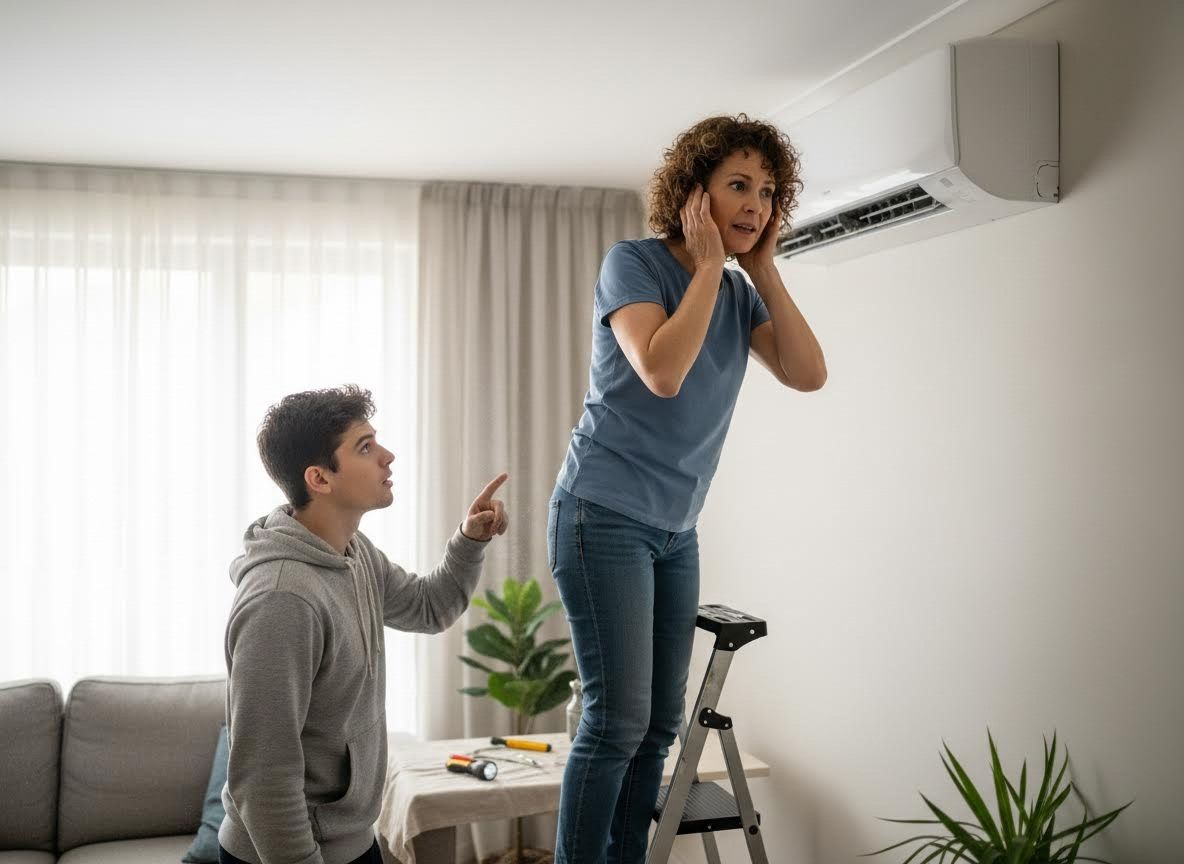
Strange sounds or odors coming from your air conditioning unit are often indicators that something isn't right. A grinding or squealing noise could suggest a problem with the motor bearings, while a banging sound might point to a loose part. Hissing noises can sometimes indicate a refrigerant leak. As for smells, a musty odor often means there's mold or mildew in your ductwork or evaporator coil, while a burning smell could signal an electrical issue or overheating motor. While some of these might seem minor, addressing them promptly can prevent more extensive air conditioning repair needs down the line.
Leaks Around Your Indoor Unit
Discovering water pooling around your indoor AC unit is a clear sign of a problem. Most often, this is due to a clogged condensate drain line. As your AC cools the air, it removes humidity, and the resulting condensation drains away through this line. If algae, dirt, or debris build up, the line can get blocked, causing water to back up and overflow. You can sometimes clear a minor clog with a wet/dry vacuum or by pouring a cup of distilled vinegar down the line (if accessible). However, persistent leaks or those accompanied by other issues might indicate a more complex problem requiring a technician.
Addressing common air conditioning problems quickly can extend the life of your system and improve your home's comfort and energy efficiency. While some issues can be resolved with simple troubleshooting, knowing when to call in the experts is crucial for your safety and the longevity of your equipment. For any complex issues, or if you're considering a new air conditioning installation or comprehensive residential hvac service, connect with JMD Corp (Jackson Heating & Air) to learn more about professional diagnostics and reliable solutions.