
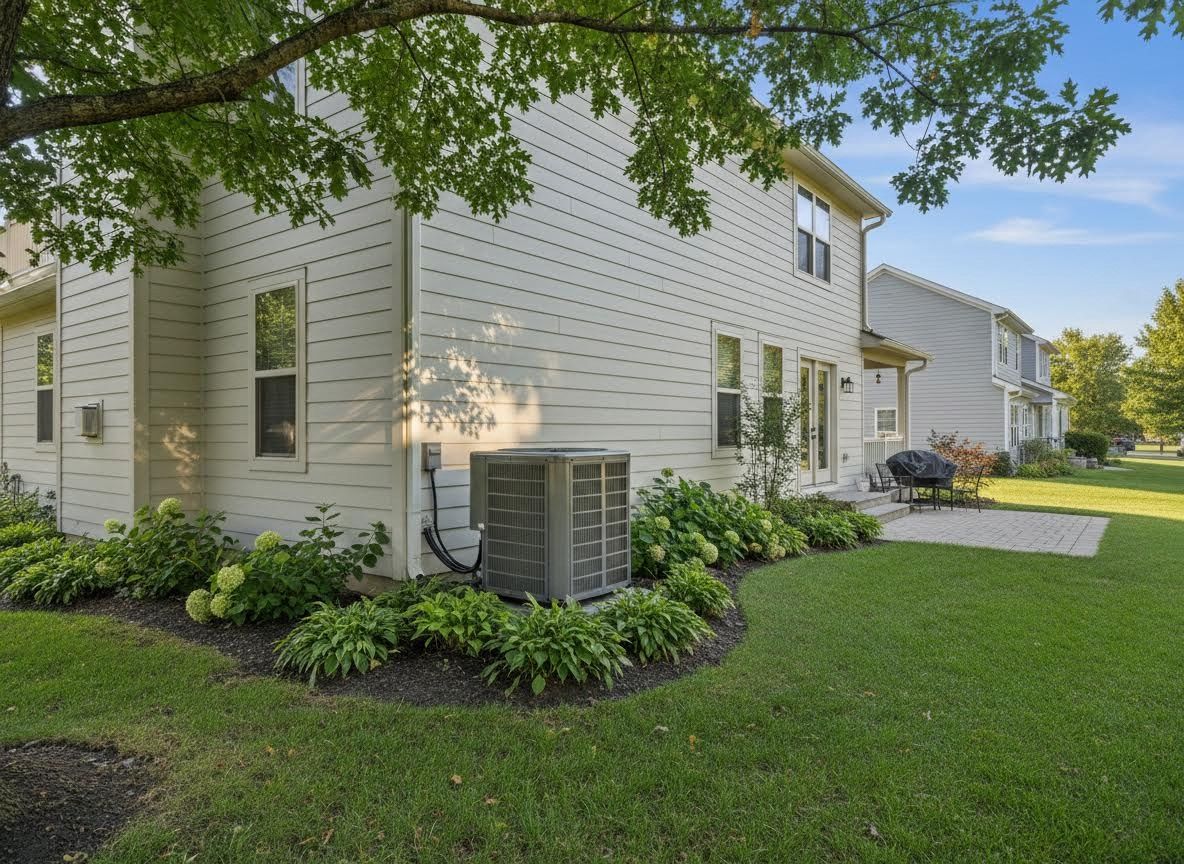
Is your air conditioner running, but instead of cool relief, you're hit with a blast of warm air? This common and frustrating problem can quickly turn a comfortable home into an uncomfortable one, especially during warmer months. At Jackson Heating & Air, we understand how crucial a properly functioning AC system is for your comfort and peace of mind. Before you panic, let's explore some of the most frequent reasons why your AC might be blowing warm air and what steps you can take.

Thermostat Settings and Airflow Obstructions
Sometimes, the simplest solutions are the most overlooked. First, double-check your thermostat settings. Ensure it's set to "cool" and not "fan" or "heat." If the fan is set to "on" instead of "auto," the fan will continuously blow even when the compressor isn't cooling, circulating warm air.
Another common issue is restricted airflow. A dirty air filter can severely impede airflow, causing your system to work harder and reduce its cooling efficiency. Filters should be checked monthly and replaced every three months, depending on usage and household conditions. Similarly, blocked vents inside your home or debris around your outdoor unit can restrict air movement, leading to poor performance.
Low Refrigerant Levels or Leaks
One of the primary reasons an AC system loses its cooling power is low refrigerant. Refrigerant is the fluid that absorbs heat from your home's air and releases it outside. If your system is low on refrigerant, it's usually due to a leak. A refrigerant leak not only prevents your unit from cooling effectively but can also lead to more serious compressor damage if not addressed promptly. Identifying and repairing these leaks requires specialized tools and expertise.
Beyond leaks, problems with the compressor itself can also be a culprit. The compressor is the heart of your AC system, responsible for circulating the refrigerant. If it's failing or has completely stopped working, your unit won't be able to cool the air.
Electrical Issues and Frozen Coils
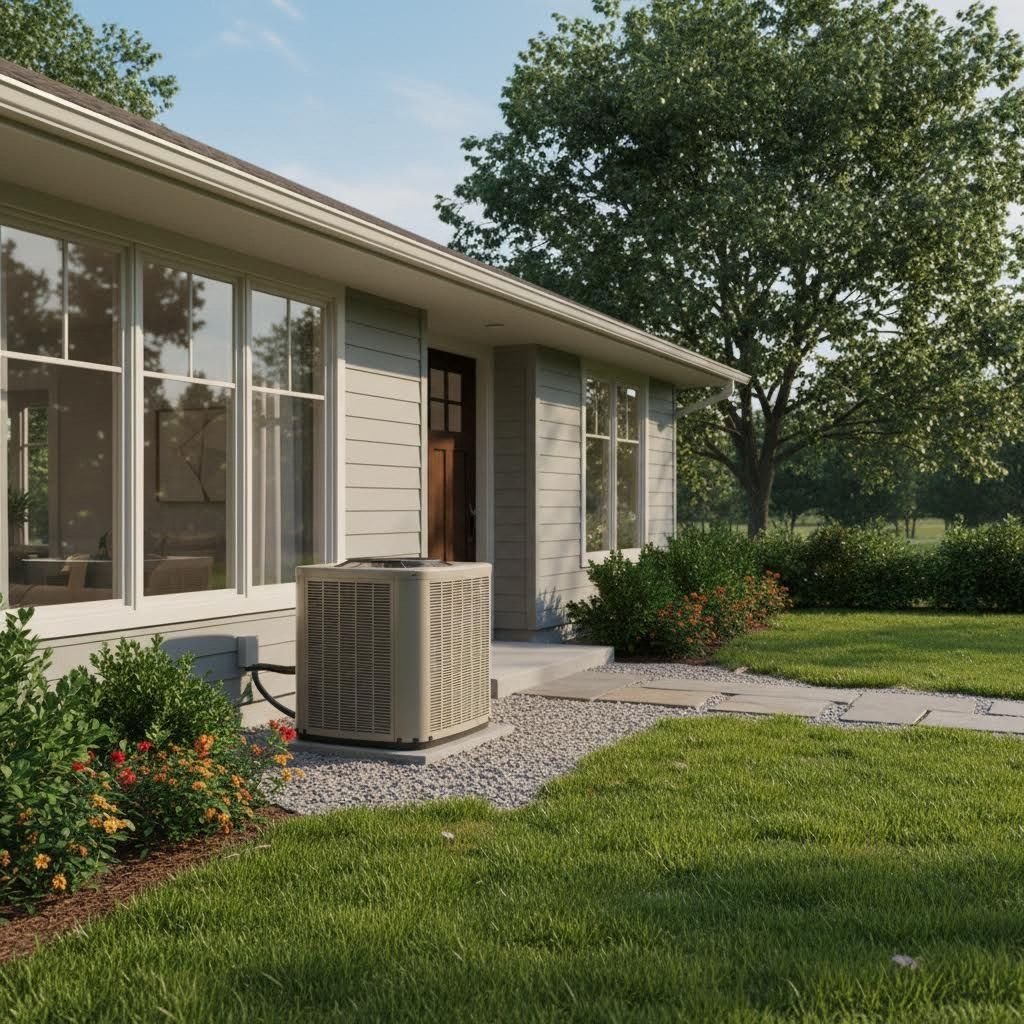
Your AC system relies on a complex network of electrical components to operate correctly. A tripped circuit breaker, faulty wiring, or a malfunctioning capacitor can prevent certain parts, like the outdoor unit or the compressor, from turning on. If these components aren't receiving power, your AC won't be able to cool. Another potential issue is a frozen evaporator coil. This can happen due to a lack of airflow (often from a dirty filter), low refrigerant, or a faulty fan motor. When the coil freezes, it can't absorb heat from your indoor air, and eventually, the ice melts, sending warm, humid air through your vents.
When to Call the Professionals
While some issues, like changing a filter or checking thermostat settings, are DIY-friendly, many of the problems causing warm AC air require the attention of experienced HVAC contractors. Attempting to fix complex issues like refrigerant leaks or compressor failures without proper training can be dangerous and lead to further damage to your system. Regular maintenance can prevent many of these problems, ensuring your system runs efficiently and reliably.
Experiencing warm air from your AC can be a clear sign that your system needs attention. Whether it's a simple fix or a more complex issue, understanding the potential causes is the first step toward restoring comfort to your home or business. Jackson Heating & Air specializes in comprehensive residential HVAC repair and can address everything from routine maintenance to major overhauls. If you're facing persistent warm air, contact us today.